

Àmbits temàtics
Aquest web s’actualitzarà en funció de l’estratègia de la nova estructura municipal.


Eines i recursos
Voleu tenir localitzades sobre el plànol les obres que s'estan fent a Barcelona? En aquesta secció les podreu trobar, per la ubicació o pel tipus d'obra.
Consulteu els documents que descriuen les prescripcions tècniques per a la realització de diferents tipus d’obres a la ciutat.
La ciutat construïda ha esdevingut una gran àrea metropolitana amb les mateixes exigències de cohesió territorial i sostenibilitat ambiental que les grans urbs europees. Alhora, la importància del barri en aquesta nova realitat, obliga a actuar de manera decidida per evitar fractures territorials, garantir les mateixes oportunitats a qualsevol indret de la ciutat i generar un espai de proximitat indispensable per a la implicació social i la generació d'entorns que esdevinguin promotors de salut i benestar de la ciutadania.
L'Ajuntament de Barcelona ofereix una nova forma de tramitació dels expedients d'obres que permetrà gestionar de forma telemàtica les vostres sol·licituds. Això és possible gràcies al desplegament de l'expedient electrònic de Llicències d'Obra. Requereix disposar de certificat digital, i del projecte o la documentació tècnica de les obres en format electrònic.
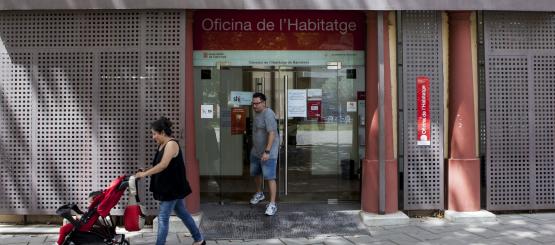
En aquest apartat trobareu tots els tràmits associats a la implantació de noves activitats així com els tràmits relacionats amb els expedients d’activitats ja existents que l'Ajuntament posa al vostre abast al Portal de Tràmits, així com la consulta del cens d'allotjaments turístics i el cens de reserva.
En aquest apartat trobareu tots els tràmits de llicències urbanístiques que l'Ajuntament posa al vostre abast al portal de tràmits per poder fer gestions per mitjà de la xarxa. No obstant això, alguns d'aquests tràmits i gestions, cal fer-los de manera presencial. Trobareu tota la informació necessària als enllaços.
Al web d'Art Públic hi trobareu el catàleg de peces d'art presents a l'espai públic de la ciutat classificades per època històrica.
L’urbanisme amb perspectiva de gènere és una opció per una ciutat més justa. Situa la vida quotidiana al centre de les seves polítiques i treballa des d’una visió inclusiva per
donar resposta a les necessitats i els desitjos del conjunt de la societat, tenint en compte la seva diversitat de gènere, d’edat, d’origen o funcional, entre altres.
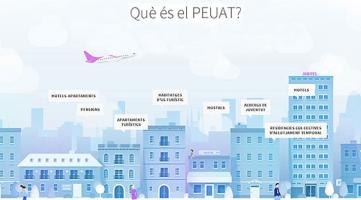
En data 25/08/2020, es va publicar al BOPB la suspensió de l'atorgament de llicències i l'admissió de comunicacions prèvies i declaracions responsables d'inici d'activitats per a la instal·lació i/o ampliació de llars compartides. El termini màxim de la suspensió era d'un any, però aquella suspensió va quedar prorrogada amb l’aprovació inicial del "Pla especial urbanístic per a la regulació dels establiments d’allotjament turístic, albergs de joventut, habitatges d’ús turístic, llars compartides i residències col·lectives docents d’allotjament temporal a la ciutat de Barcelona" en sessió extraordinària de la Comissió de Govern de data 29 de gener de 2021 (BOPB 1.02.2021).
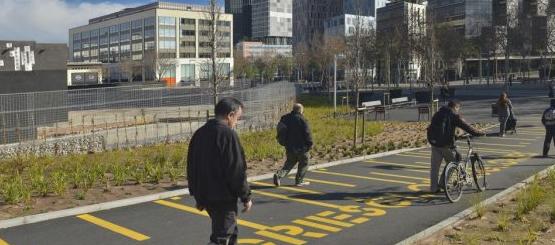
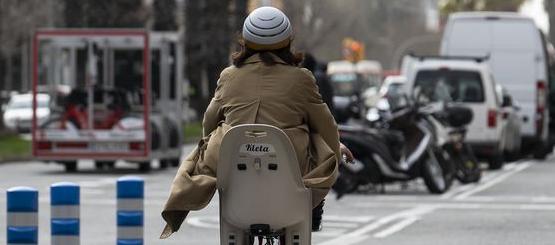
L’Ajuntament de Barcelona té per objectiu la implantació d'una xarxa de carrils bici àmplia, connectada i segura. En els darrers anys s’ha ampliat la infraestructura d’eixos pedalables i se n’ha millorat la seguretat per fomentar-ne l’ús a fi d’avançar cap a una mobilitat sostenible i un ús de l’espai públic alternatius.
El tramvia en superfície per l'avinguda Diagonal amb plataforma reservada és l'alternativa tècnicament més ben valorada segons l'Estudi Informatiu, que defineix, avalua i compara quatre alternatives plantejades per donar solució a la connexió del Trambaix i Trambesòs.
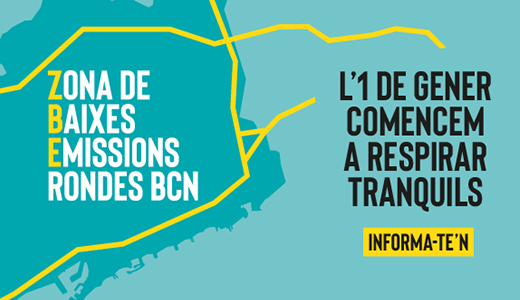
Introduiu la matrícula del vostre vehicle per a coneixer el potencial contaminant, segons la classificació de la DGT, i les restriccions municipals en les mesures contra la contaminació ambiental.
Els parcs i jardins converteixen la ciutat en un espai habitable, però també són llocs de trobada i relació, de lleure i relaxació. Consulta la llista dels parcs i jardins de Barcelona i gaudeix de la natura sense sortir de la ciutat.
Coneix les diferents platges de Barcelona, la seva ubicació, els equipaments i serveis disponibles, i tota la informació que necessites per triar la platja més adequada per a cada ocasió.
Als carrers de Barcelona hi ha plantades més de 150 espècies d'arbres. L'objectiu d'aquest cercador és facilitar la selecció dels arbres a partir d'un seguit de paràmetres morfològics, de cultiu i estètics que condueixen la cerca fins a l'arbre més idoni. Es tracta d'una eina al servei de tècnics i professionals que treballen en l'espai públic i també de la ciutadania, amb la voluntat d'afavorir el coneixement i una millor gestió dels arbres de Barcelona com a patrimoni públic i privat.
L'Ajuntament de Barcelona duu a terme la senyalització de la vegetació que és objecte de tractament per al control de plagues, d'acord amb el que estableix la normativa actual derivada del Reial decret 1311/2012, i d'acord amb la Directiva 2009/128/CE del Parlament Europeu, que fixa l'obligatorietat de senyalitzar la realització de tractaments fitosanitaris en la vegetació ubicada a la via pública.
Consulteu en aquest apartat els tractaments previstos a la vegetació (per mesos/districtes)
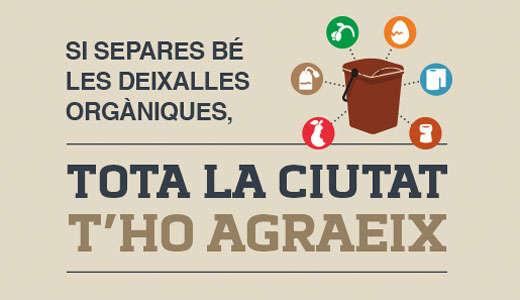
El cercador de residus és una eina que us permet identificar la destinació de cadascún dels residus domèstics, facilitant una correcte gestió de residus i al consegüent millora ambiental.
Els punts verds serveixen per desfer-nos dels residus que no podem llençar als contenidors que trobem al carrer. Utilitzant els punts verds contribuïm a millorar el procés de reciclatge i ajudem a preservar el medi ambient.
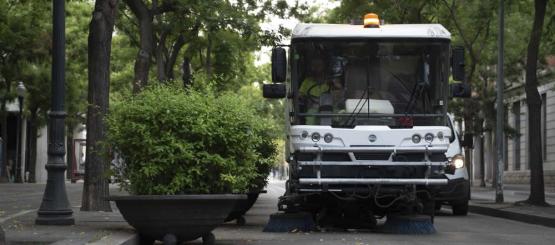
La ciutat de Barcelona disposa d’un ampli servei municipal per a la recollida diària de la brossa domiciliària i comercial per facilitar als ciutadans la recollida dels residus i garantir la netedat i salubritat de l’espai públic. Aquest servei es duu a terme a través de contenidors de carrer, servei de recollida porta a porta de bosses, bústies de recollida pneumàtica, a més de bujols per a la recollida comercial.
Aquest tràmit informa del dia de la setmana en què es poden baixar al carrer el mobles i estris domèstics vells per tal que l'Ajuntament els reculli de forma gratuïta, segons l'adreça del domicili.
Els Mapes de dades ambientals, realitzats conjuntament per l'Ajuntament de Barcelona i l'Agència de Salut Pública de Barcelona (ASPB), proporcionen un conjunt d’informació detallada de la qualitat ambiental a la qual està sotmesa la ciutat.
Saps quanta energia consumeixes a la teva llar? La calculadora energètica és una eina que et permetrà conèixer quanta energia consumeixes i quins són els equips més consumidors de la teva llar.
L’Atles de la Biodiversitat és un conjunt de mapes que mostren algunes de les dades més rellevants de la biodiversitat de Barcelona: els parcs, els jardins, les places i les espècies vegetals que hi viuen, els arbres dels carrers i els ocells que fan niu a la ciutat.
Durant l'estat d'alarma, l’Ajuntament de Barcelona elabora setmanalment un informe de l’evolució dels nivells sonors a diferents punts de la ciutat representatius del soroll que prové del trànsit, i de l’ausència d'oci nocturn i aglomeració de persones.
Tribut ambiental destinat a la gestió dels residus domèstics que es generen a la ciutat, en compliment de la Directiva Europea 2018/851 del Parlament Europeu i del Consell Europeu i el Programa Metropolità de Prevenció i Gestió de Recursos i Residus Municipals. Destinat a millorar la gestió dels residus, incrementar la recollida selectiva i reduir emissions contaminants.
Accediu als materilas d'estudi per als processos de selecció de l'Institut Municipal de Parcs i Jardins.